

How music therapy could help people with dementia
New research looking at music therapy has found that it could improve care and reduce distress for people living with dementia.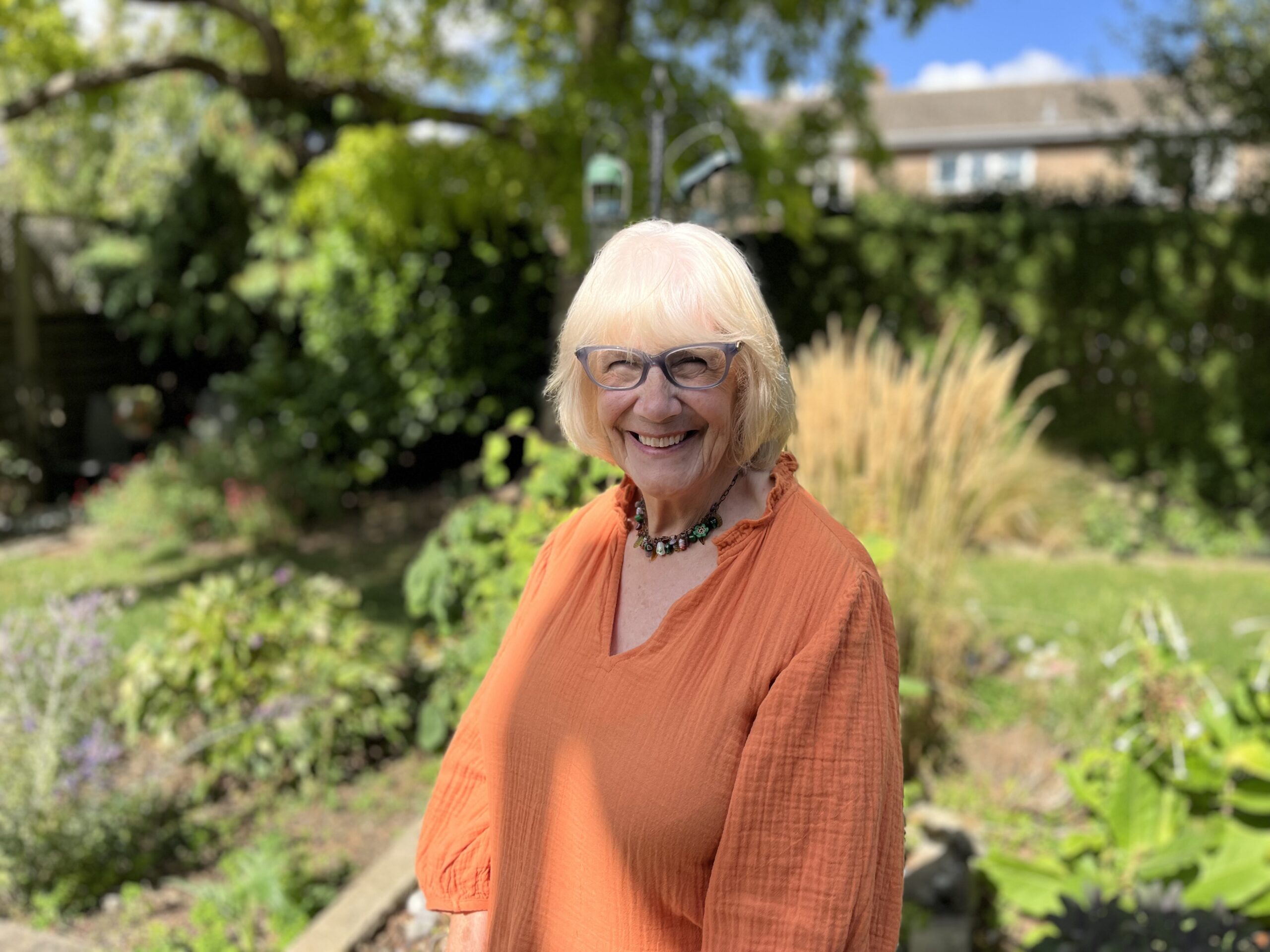
The research has benefitted patients on dementia wards, including Richard. He was diagnosed with frontotemporal dementia in 2022.
His wife, Suzanne, a Special Needs Consultant from Cambridge, says that the music therapy is “a connection that anchors him.”
“Richard loved classical music, and he had it played for him when he was being changed and when he was eating. He was very stressed during those moments, and the music calmed him down.
“I offer him a choice of music and I found even now that he’s in his late stages of frontotemporal dementia, he will reach out and touch the one he wants. Sometimes he’s amazed me and said ‘opera’.
“They need something to anchor them, something that makes them feel still connected, otherwise, they’re just lost in this fearful place.”
The MELODIC music therapy manual has been piloted on 2 NHS dementia wards by researchers at Anglia Ruskin University and Cambridgeshire and Peterborough NHS Foundation Trust.
Their pilot study trialled embedding a music therapist on hospital wards, delivering clinical music sessions and creating musical care plans for each patient.
The music therapy used in the research is delivered by trained therapists and includes singing, playing or listening to music. The therapist can also identify specific ways that music can be used by families and carers in an individual’s daily care routine.
Witnessing first-hand the positive impact the research has had on her husband, Suzanne praises the value of music therapy and dementia research more widely.
“I don’t think people should be put off by the word research and think it’s something that’s not related to everyday life. Research is looking at what we can do better for patients.
“I really hope that people become more aware of how valuable it is to improve quality of life through music therapy. It needs to be a part of a person’s care plan.”
You can register your interest in vital dementia research via the Join Dementia Research website. You could make a huge difference for future generations.