

John and Linda’s story: How dementia research is helping support carers
 John Desmond’s wife, Linda, was diagnosed with semantic dementia in 2021, at 67 years old. Semantic dementia, also known as frontotemporal dementia, is a rare form of the condition that affects Linda’s ability to use and understand words.
Linda was working as a pharmacist in 2018 when she first noticed the changes in herself that weren’t obvious to other people, including John.
Linda’s diagnosis
When she was diagnosed, John’s initial reaction was “more surprise than anything. She did not seem really any different.”
After 36 years of marriage, John was now to become Linda’s carer as well as husband. Being a carer of someone living with dementia, John is exactly who the CareCoach online resource was designed for. It provides online learning combined with coaching support via email, video-call and/or phone.
The CareCoach study is funded by the National Institute for Health and Care Research (NIHR). It is testing whether the online package has an effect on a carer’s sense of being able to care well, their mood and quality of life.
Dementia mostly affects people over 65, but frontotemporal dementia tends to start at a younger age. Most cases are diagnosed in people aged 45-65, although it can also affect younger or older people.
John, 69, who continues to work as an exam invigilator, said: “Part of the challenge has been working and caring at the same time. We live near a dementia support charity but I haven’t had time to attend the group sessions with Linda.
“In the meantime, I thought, at least I can get involved in research as far as possible. I signed up to Join Dementia Research, and then this one popped up, specifically aimed at carers. So I thought I’d get on board with that.”
What is frontotemporal dementia?
Symptoms of frontotemporal dementia can include personality and behaviour changes. It can also include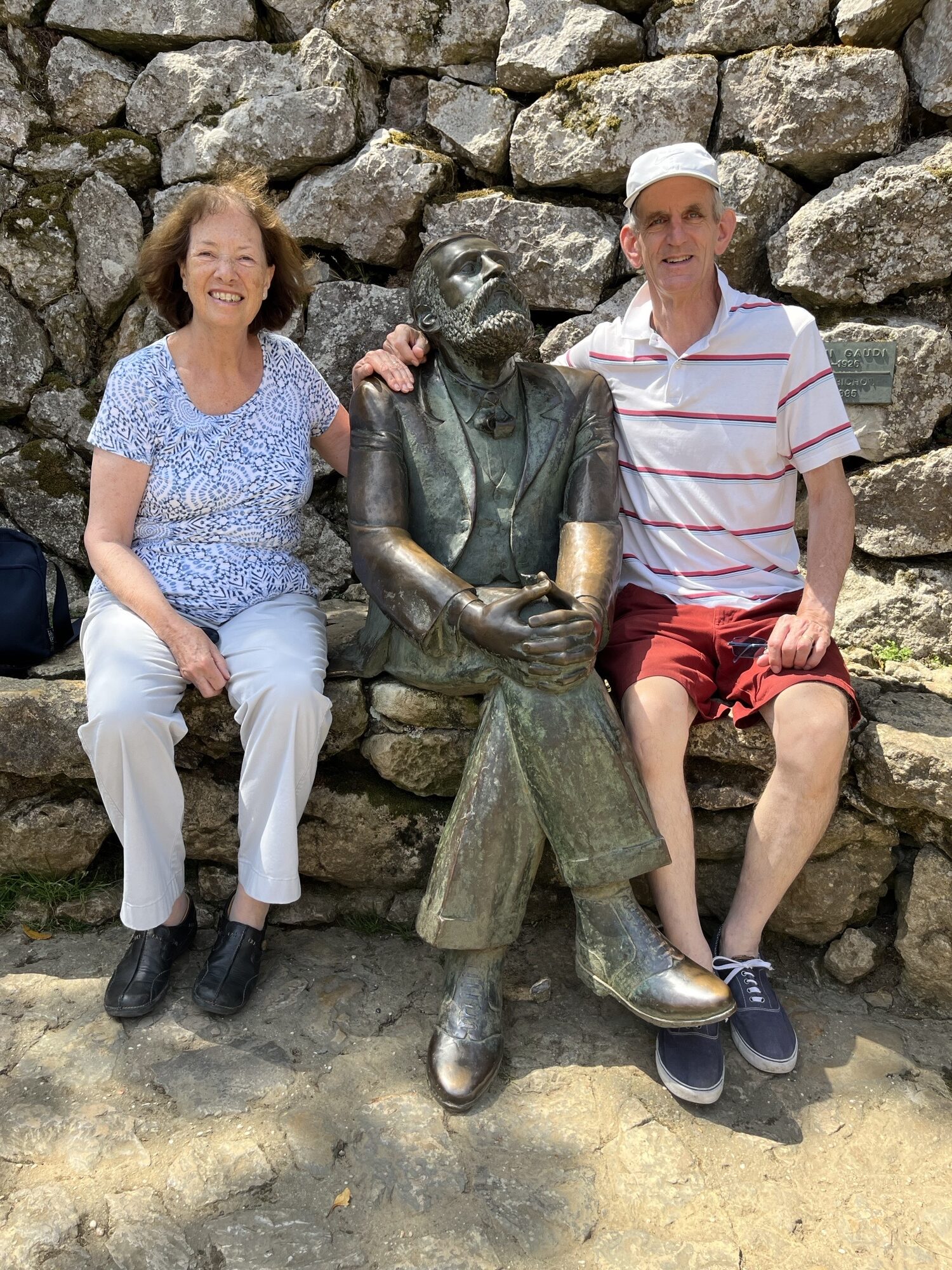 problems with memory, mental abilities and language. This can present as speaking slowly, struggling to make the right sounds when saying a word, getting words in the wrong order, or using words incorrectly.
“She’s forgotten some quite basic words, but she does really well and lifestyle routines haven’t really changed at all. Obviously, it’s frustrating for her at times, although she doesn’t show it very much and is quite proactive herself. She’ll write down words she’s forgotten and use good old Google images to attach meaning to the words.”
“It’s the abstract terms that create the problems because it’s difficult to explain larger concepts. Equally the more basic words can be tricky. I suppose, in a way, my background in teaching English as a foreign language particularly has helped me.”
John initially hoped to find a study that focused on his wife’s specific condition.
Encouraging others to take part
John is encouraging others to take part in research: “I would say you’ve got nothing to lose for a start. It is worthwhile making yourself aware of other people in a similar situation and the fact that they, having gone through those experiences, have got a lot to offer. Even if the degree of dementia in the person you’re caring for is different, there are aspects that are similar. And there is a real focus on you as a carer.”
By participating in studies like CareCoach, John has helped researchers understand what carers need. This will ultimately help others in the future.
Professor Jane Cross, University of East Anglia, Co-Chief Investigator for CareCoach, said: “In an ageing population, where the numbers of people living with dementia are increasing, it is essential we support those who are keeping people living with dementia well at home and enable them to live lives that remain fulfilling. Prioritising these people’s wellbeing is essential to sustaining our health and care system.”
Ready to find your research opportunity?
Visit the Join Dementia Research website to discover how you can get involved. You can sign up to hear about studies like CareCoach and many others, including those for people with dementia and their loved ones.